
Jose Cháfer
Umbral entre materia y forma
10 de septiembre – 26 de octubre
La nueva exposición individual de Jose Cháfer supone una profundización en su investigación escultórica y en su manera de entender la relación entre materia, gesto y forma. Lejos de concebir la escultura como la imposición de una voluntad sobre un material pasivo, esta nueva etapa sitúa el trabajo en un territorio de tránsito: un espacio intermedio donde la forma aún no ha terminado de emerger y donde la materia conserva intacta parte de su identidad original.
En el centro de esta propuesta aparecen tres ideas fundamentales: el bloque como origen, la herramienta como mediación y la forma como revelación.
Toda escultura parte del bloque. En él habitan simultáneamente potencia y resistencia, memoria y límite. El bloque no es únicamente un punto de partida físico; es condición y lenguaje, una presencia cargada de historia que contiene ya las posibilidades y tensiones de la obra futura. Antes de cualquier gesto existe esa masa inicial que guarda en silencio sus direcciones posibles.
Entre el bloque y la forma aparece la herramienta. Pero la herramienta, en el trabajo de Cháfer, excede su función técnica. No es un simple instrumento de transformación sino un medio de negociación entre la voluntad del artista y la respuesta del material. Cada corte implica una decisión y, al mismo tiempo, una escucha; cada intervención sobre la materia es un diálogo donde la materia responde, condiciona y orienta. Por ello, la forma no se construye en sentido estricto. Se revela.
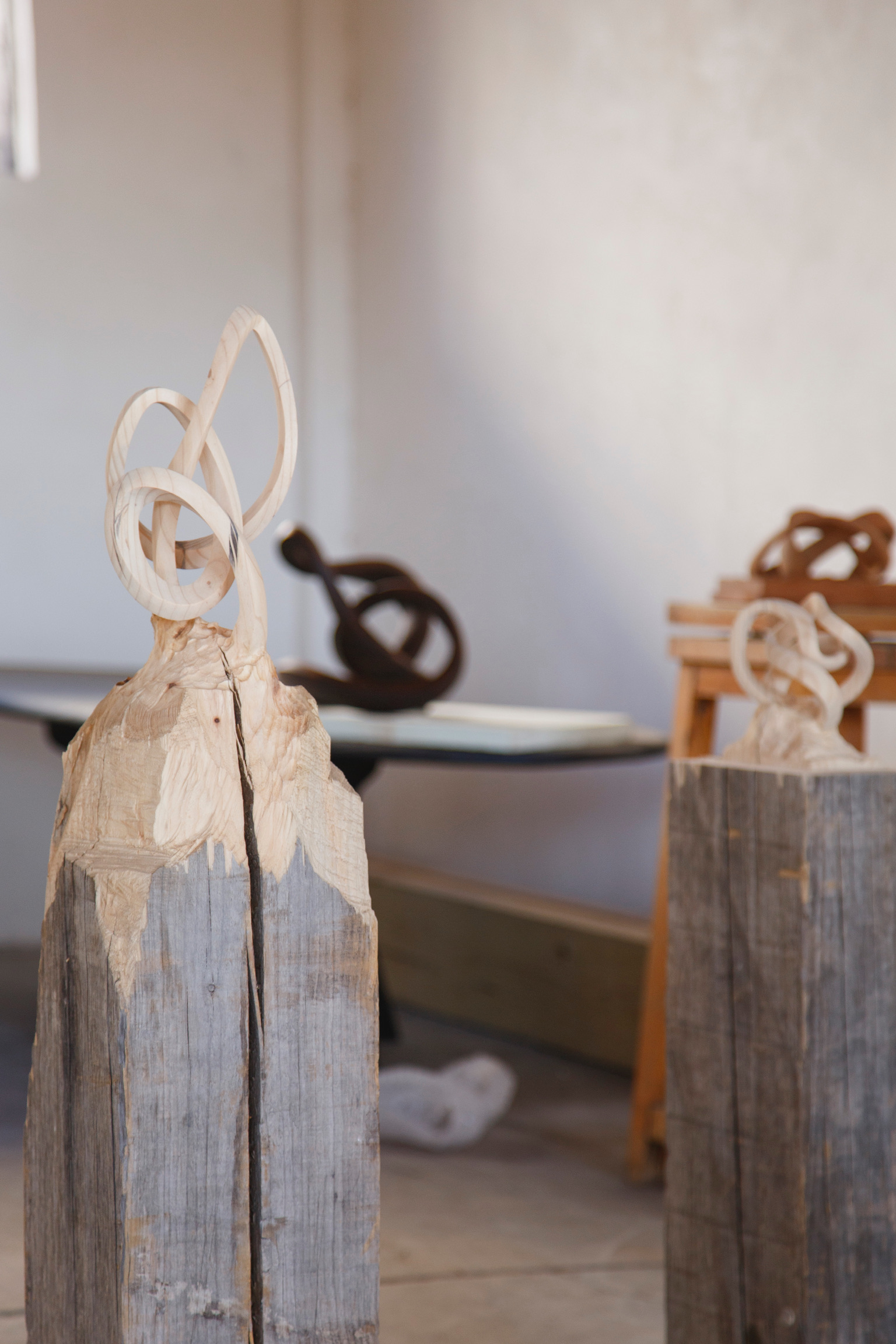
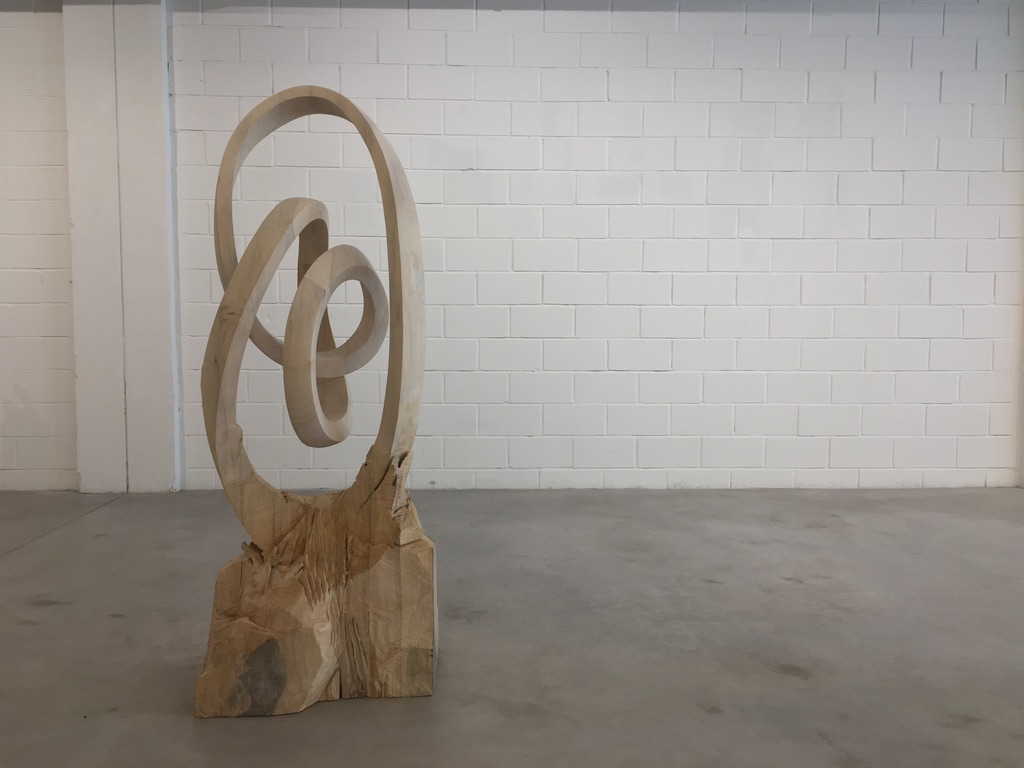
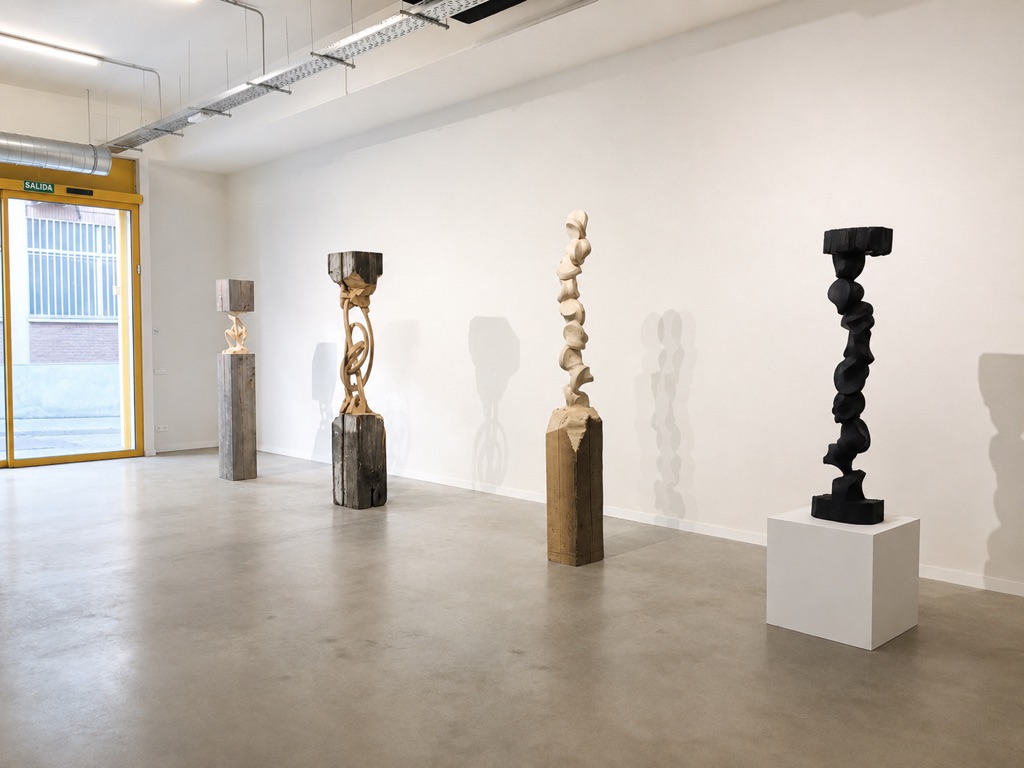
Las obras que articulan esta exposición no buscan borrar el material que las contiene ni ocultar su procedencia. La forma emerge del interior de la materia sin anularla. Las zonas intervenidas conviven con áreas donde el bloque conserva su densidad, su textura primaria y su condición más cruda. La escultura no niega su pasado: lo incorpora.
Esta voluntad de integración convierte el proceso en parte esencial del lenguaje escultórico. Las huellas de la herramienta, las transiciones entre superficies pulidas y zonas apenas desbastadas, los nudos, vetas y grietas naturales no aparecen como imperfecciones que deban corregirse, sino como registros activos del tiempo y de la transformación. La obra no aspira a una pureza desligada de su origen; encuentra precisamente en esa convivencia su intensidad formal y conceptual. Las piezas reunidas en esta exposición no presentan un antes y un después claramente delimitados. Habitan un umbral.
Ese umbral es el instante en que la brutalidad del material y la precisión del gesto permanecen en tensión. El bloque continúa siendo bloque y, sin embargo, comienza a convertirse en estructura dinámica, en vacío activo, en forma abierta. Más que mostrar un resultado cerrado, las esculturas invitan al espectador a presenciar un momento de transición: ese punto preciso en el que el peso parece volverse ligereza, la masa adquiere fluidez y el interior empieza a respirar. La escultura deja así de entenderse como un objeto concluido para convertirse en proceso visible.
En esta exposición la materia no desaparece al servicio de una idea previa ni actúa como mero soporte formal. Se presenta como territorio. Un territorio que resiste, condiciona y dialoga.
Cháfer no busca dominar completamente el material, sino establecer con él una relación de escucha y respuesta. Las vetas sugieren recorridos, los nudos establecen límites, la densidad introduce riesgos y exige decisiones estructurales concretas. Cada pieza nace de esa conversación sostenida entre intención y resistencia. De esta tensión surge la obra.
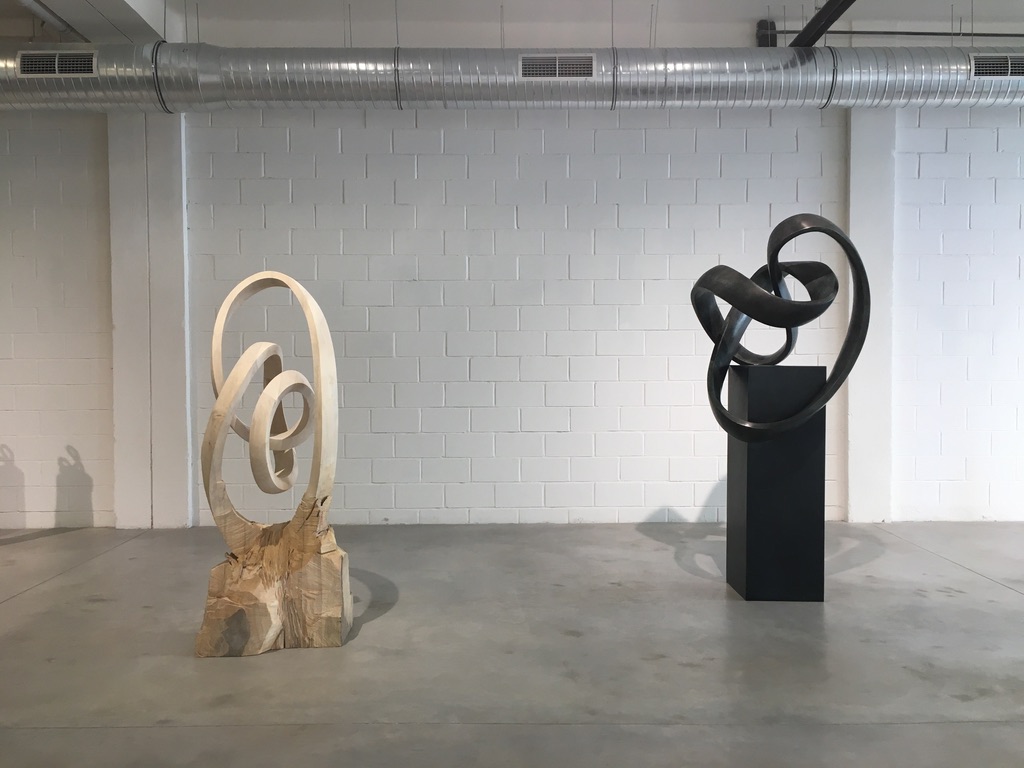
Las nuevas esculturas desarrolladas para septiembre de 2026 profundizan en esta investigación mediante una apertura espacial más ambiciosa y una complejidad estructural que asume mayores riesgos formales. Los vacíos adquieren un protagonismo creciente, las intersecciones generan dinámicas que evocan procesos de crecimiento orgánico y los contrastes entre superficies pulidas y zonas talladas se vuelven más radicales.
El vacío deja de entenderse como ausencia para convertirse en forma activa. Es espacio interior que articula la pieza y expande su relación con la arquitectura de la galería, generando recorridos visuales y tensiones perceptivas que prolongan la escultura más allá de sus propios límites físicos.
Son procesos donde la transformación no aparece como ruptura abrupta sino como tránsito, como revelación progresiva de una posibilidad latente.
Esta exposición nace también de una voluntad explícita de honrar el material. Para Cháfer, cada bloque conserva una historia anterior a la intervención escultórica: un origen inscrito en sus vetas, sus tensiones, sus accidentes y en la memoria misma de su formación natural. Respetar esa herencia no constituye una limitación del proceso, sino una toma de posición frente a la materia. Conservar visibles fragmentos de esa identidad primera —permitir que parte de esa historia permanezca intacta en la obra— supone reconocer el valor intrínseco del material y rendir homenaje a aquello que lo precede. La escultura no aparece, así como una sustitución del origen por la forma, sino como una convivencia entre ambos.
La decisión de conservar visibles partes del bloque y mantener presente el proceso de transformación responde precisamente a esa voluntad. La materia prima posee una belleza propia que no desaparece con la intervención escultórica ni necesita ser ocultada para legitimar la obra terminada. Al contrario: la transformación solo es posible porque existe previamente esa materia en bruto que la sostiene y la hace imaginable. Esta exposición introduce, además, una dimensión particularmente significativa dentro de la trayectoria del artista.
Con frecuencia, los pintores señalan que una de las decisiones más complejas de su práctica consiste en saber cuándo levantar el pincel y considerar la obra concluida. Cháfer ha querido enfrentarse aquí a un desafío semejante. Hasta ahora, gran parte de su trabajo tendía hacia una resolución total de la forma, hacia una sensación de acabado que él mismo asociaba a la culminación del proceso escultórico. En esta ocasión, sin embargo, decide interrumpir deliberadamente ese impulso de perfección para permitir que el material conserve una presencia más protagonista. No se trata de abandonar la exigencia formal, sino de desplazar el lugar desde el que se decide el final de la obra. De permitir que la escultura no quede determinada únicamente por la afirmación del artista, sino también por aquello que la materia propone y reclama.
Cháfer suele afirmar que trabajar con materiales naturales implica escuchar historias distintas en cada pieza. Cada sonido, cada vibración, la temperatura, las texturas o las grietas no solo hablan de un origen; orientan el proceso y sugieren modos específicos de intervención. En esta exposición ese diálogo, habitualmente contenido en la intimidad del taller, se hace visible. Las esculturas muestran así no solo una forma alcanzada, sino la conversación que la hizo posible.
Esta exposición incorpora además otro aspecto esencial en la práctica de Cháfer: el valor de la intuición como forma de conocimiento y de construcción escultórica. Buena parte de sus procesos no responden exclusivamente a una planificación previa ni a una lógica enteramente racional, sino a decisiones que emergen durante el trabajo y que se sostienen en una atención intuitiva hacia la materia y sus posibilidades.
Cháfer ha querido trasladar esa experiencia al espacio expositivo y hacer partícipe al espectador de ese mismo territorio de incertidumbre y descubrimiento. Muchas de las piezas conservan zonas ocultas o deliberadamente abiertas, fragmentos que no se muestran por completo y cuya resolución queda suspendida ante la mirada.
Lejos de constituir una ausencia, esa indeterminación invita a una participación activa. El espectador es invitado a completar la obra desde su propia intuición, a proyectar recorridos, tensiones y formas posibles allí donde la escultura rehúsa cerrarse por completo. De este modo, la exposición abre parcialmente el espacio íntimo del taller y comparte con quien observa una experiencia que acompaña cotidianamente al artista: ese instante en que la forma todavía no está del todo dada y debe ser descubierta antes que impuesta.
Sara Monge, Madrid 2026.
SOBRE JOSE CHÁFER:
Jose Cháfer (Madrid, 1991) es licenciado en Bellas Artes por la UCM, donde se especializó en escultura. Su práctica escultórica se centra en la relación entre materia, estructura y espacio, investigando las posibilidades expresivas de materiales naturales como la madera y la piedra desde una aproximación en la que la intuición, el proceso y el diálogo con la materia ocupan un lugar central. Su obra ha sido reconocida con el Primer Premio de Escultura Villa de Parla y la Beca de Residencia Artística en la Antártida, y forma parte de colecciones públicas y privadas como la Fundación NUMEN o la colección de arte de JP Morgan en Madrid. Ha participado en ferias internacionales como ARCOmadrid, ESTAMPA, Art Madrid y Salon Art + Design de Nueva York, además de desarrollar proyectos para instituciones y firmas como Four Seasons Madrid, Loewe Perfumes, Grupo Planeta, Meliá Hotels y Theramex.

Threshold Between Material and Form
Jose Cháfer
ABOUT JOSE CHÁFER